
Key Points:
- Understanding the three categories of water damage will help you take the correct next steps before your Southern California restoration team arrives.
- Immediately after discovering water damage, homeowners should stop the water source if it is safe to do so, call their local restoration company for an assessment, and then call their insurance company.
- Running box fans, turning up the heat, and other common mistakes can spread and worsen water damage.
In Southern California's warm climate, mold can begin to form within 24-48 hours after water exposure, according to FEMA. That means the decisions you make in the first hour matter - but so do making the right ones. Hasty, uninformed actions like running fans or pulling up wet carpet can spread contamination and make the damage significantly worse. This guide walks you through exactly what to do.
Flood Response provides 24/7 water damage restoration services in the Coachella Valley, Temecula, and communities across Southern California. Here, we’ll outline the most important steps you can take immediately after water damage, along with common mistakes to avoid.
5 Immediate Actions to Take After Discovering Water Damage
The steps you take in the first hour after discovering water damage are crucial. Before your restoration team arrives, here are actions you can take to stop the water from spreading and protect yourself and your family.
1. Assess for Safety
Determine whether you need to evacuate immediately and avoid water damage. Category 1 water damage is typically safe to handle, while Categories 2 and 3 are contaminated and pose at least some health risks. In the section below, we define the categories and common forms of water damage that fall under each category.
If it is safe to do so, you can cut the power to affected areas at the breaker box. This might be a good time to check for structural concerns, as well - sagging ceilings and warped floors are damage worth noting for your restoration specialist.
2. Stop the Water Source
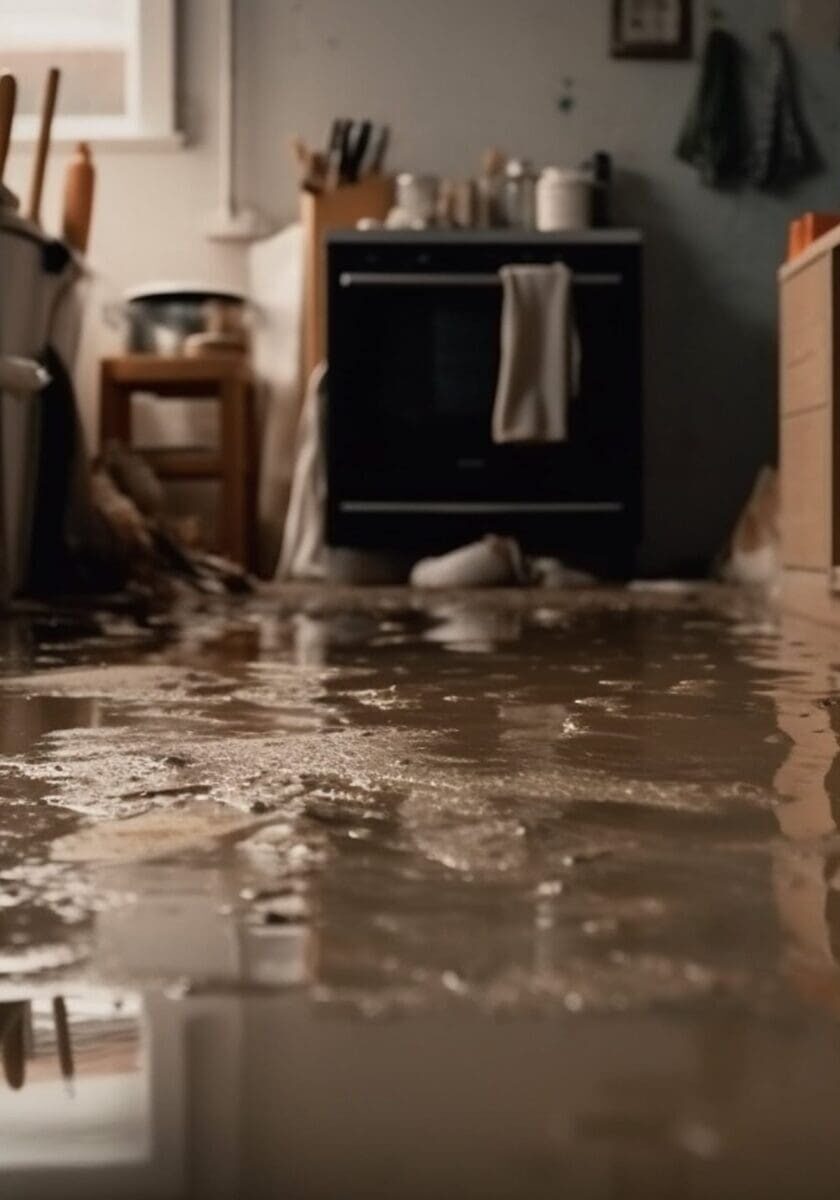
In cases of a burst pipe or appliance leak, locate and shut off the main water supply. When dealing with stormwater and flooding, prioritize your safety and evacuate if needed. Do not enter a room with standing water if there is a chance that electrical panels or outlets are submerged.
3. Document Everything
Once you confirm the scene is safe, photograph and take videos of all affected areas. If possible, identify the source of the water damage - for example, a leaking pipe or appliance - and any other important details. Note the time and date of the incident.
4. Call Your Local Restoration Company
After documenting the damage, call your local restoration company. By starting the water damage mitigation process within the first 24 hours, specialists can prevent mold growth, preserve the home’s essential structural components, and support you throughout your insurance claim.
5. Call Your Insurance Company
Filing your insurance claim early helps move the process along and avoid delays that could disqualify you from coverage. While on the phone with your insurance agent, describe the source of the damage, the category if you know it, the rooms affected, and any actions taken.
Identifying the Category of Water Damage
Before you act, it’s crucial first to understand which of the three categories of water damage you’re dealing with. The source of the water determines whether you can stay in the home, whether you can safely touch anything, and who needs to handle the cleanup.
The three categories are defined by the ANSI/IICRC S500, an internationally recognized set of standards that helps restoration professionals identify water damage and make decisions. Here are the distinctions between each category:
Category 1: Clean Water
The most sanitary category of water damage. Category 1 water contains no harmful substances and can be handled without risk of exposure. It can come from rainwater, melted ice, uncontaminated toilet water, or supply-line water.
Category 2: Grey Water
Grey water is considered significantly contaminated. It can come from appliances, sinks, and washing machines and may contain soap, food, grease, or other materials that, when exposed to, pose a risk of illness and infection.
Category 3: Black Water
The most dangerous category of water damage, black water contains chemicals and pathogens that should only be handled by a trained biohazard professional. This category of water damage can result from sewage backups, stormwater, flooding, or overflowing toilets containing feces. Do not try to clean up black water yourself.
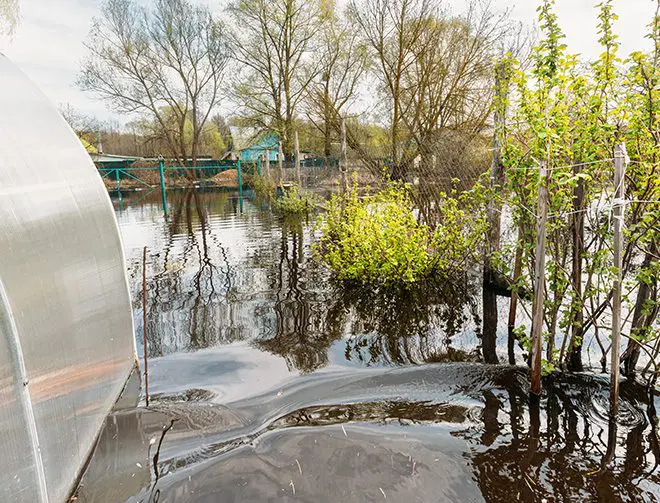
In the Coachella Valley area, heavy rain events and flash floods pull street-level contaminants - such as oil, fertilizer runoff, and animal waste - directly into homes through storm drains and foundation gaps. Water that enters your home during a storm event should be assumed Category 3 until a professional assesses it.
If you are unsure of the category of water damage, contact your local water damage restoration company for an assessment and a mitigation plan.
Common Mistakes That Make Water Damage Worse
In the short time between calling your restoration company and the team’s arrival, you may be tempted to treat the water damage yourself. Not only are DIY water-cleanup strategies often ineffective compared to professional restoration, but they may also worsen the damage to the property.
Here’s what to avoid after water damage has occurred:
- Using fans to dry wet floors: While fans circulate the air, they don’t dehumidify the space, so some moisture will remain. Also, setting up a box fan can actually spread mold spores present in the air.
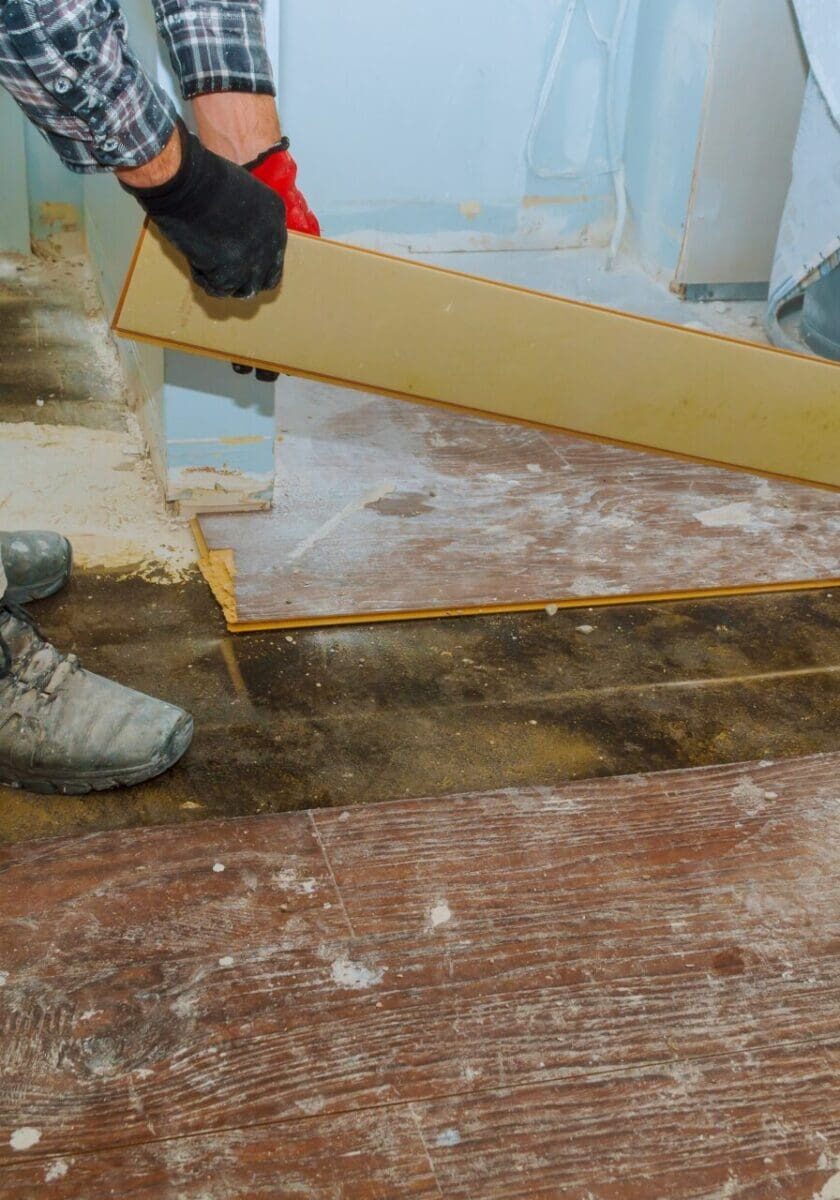
- Pulling up wet carpet yourself: This is particularly unwise in cases of Category 2 or 3 water damage, which require handling by a trained specialist.
- Using bleach on mold: When it comes to mold remediation, bleach does more harm than good. It does not penetrate porous materials and can release harmful fumes in enclosed spaces, further contaminating the air.
- Turning up the heat: A common misconception is that more heat will speed up the drying process. Higher temperatures increase humidity, which accelerates mold growth when water vapor has no pathway to escape.
Don’t Wait: Call Flood Response for Water Damage Restoration
Quick action and professional treatment prevent compounding damage, mold, and insurance complications.
Since 2002, Flood Response has restored the properties of families and business owners, helping rebuild their lives in the face of disaster. As an IICRC-certified company, our technicians act quickly to remove any water in your building, dry the area, and mitigate the damage. Flood Response also works directly with insurance companies, communicating on your behalf so you can focus on recovery.
We have a thorough water damage restoration process that stops damage and restores properties efficiently:
- Inspection and Moisture Mapping
- Water Removal and Extraction
- Debris Removal and Demolition
- Drying and Dehumidification
- Cleaning and Repairs
In need of emergency water damage restoration? Our certified team is available 24/7, year-round. Contact us online or call 760-343-3933.
 Contact