
Key Points
- Mold can develop after water damage within 24-48 hours, both in plain sight and hidden beneath household surfaces.
- Addressing water damage and mold as quickly as possible helps mitigate property damage and prevent further issues.
- Professional mold remediation provides certainty that all traces of mold are identified and removed; DIY mold removal efforts can miss hidden mold and moisture.
When faced with water damage, homeowners assume the worst is over once the water source has been shut off and the drying process is underway. However, during the water damage restoration process, your property should also be checked for mold - both on visible surfaces and in hidden areas, such as behind walls, under floors, or beneath other structures.
Mold growth in homes often occurs within 24 - 48 hours after the initial water emergency, according to the EPA's guide to mold. Highly humid areas across the Coachella Valley, Temecula Valley, and Inland Empire can create ideal conditions for mold, narrowing the window to act before damage occurs.
In this article, we’ll review how mold develops over time, the differences between visible and hidden mold, and how professional remediation can address the damage more effectively than DIY efforts.
The 24-48-Hour Mold Growth Window
While moisture is a key factor in mold development, additional conditions are required, including:
- A warm environment, ideally between 60 and 80 degrees F
- Oxygen
- Organic material, on which the mold feeds
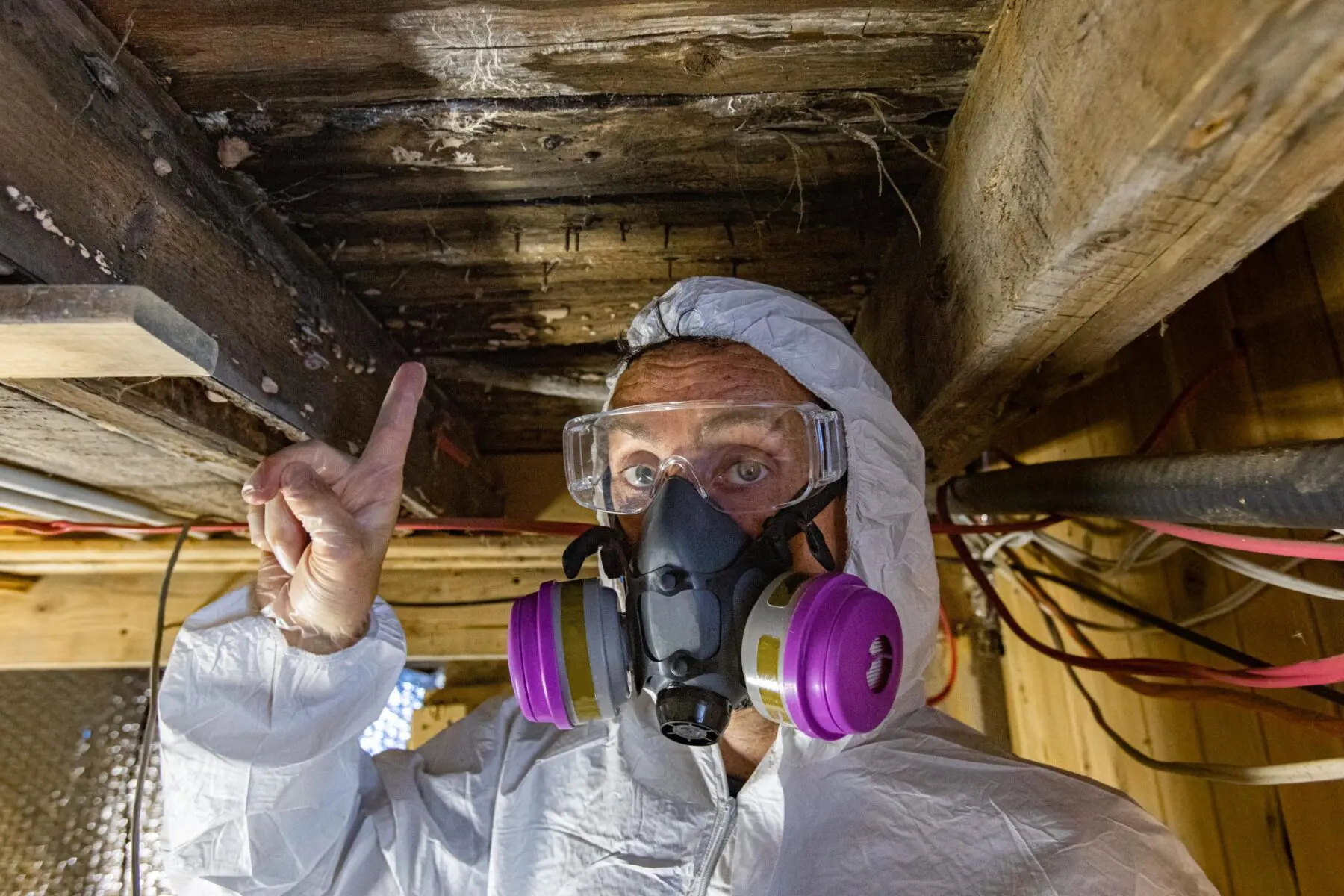
In most cases of water damage, these conditions are all present. Within the 24-48-hour window, mold spores will activate on wet surfaces and begin to germinate, or actively grow. After 48 hours, unaddressed mold damage can lead to odors, structural damage to the property, and respiratory health issues for residents and anyone exposed. Visible colonies can appear within just a couple of days of an outbreak, while hidden mold can form even sooner.
Southern California’s warm climate can accelerate this timeline, as can major weather events. Many desert areas in the region double as flood zones; for example, the City of Palm Springs cites substantial storm runoff from the nearby San Jacinto Mountains as a flooding hazard. Property owners, especially in high-risk areas, must think about fortifying their structures against water damage and, subsequently, mold.
Visible vs. Hidden Mold After Water Damage
You may be familiar with what certain mold species look like - for instance, black mold is dark, slimy, and commonly found in wet bathrooms and other rooms with low ventilation. But for mold that lives out of sight - concealed within walls, under flooding, or in HVAC systems - the signs are more difficult to catch.
Hidden mold can grow undisturbed for extended periods. It’s often discovered only after health symptoms appear or during a remodeling project. But knowing the signs can help you identify and address invisible mold earlier. If you suspect mold, keep these signals in mind:
- A musty odor in a particular room or area of the home
- Health signs, such as a new and sudden allergy or respiratory symptoms
- Warping, bubbling, or discoloration on walls or floors
- Elevated humidity readings in specific rooms
Why DIY Mold Remediation and Prevention Rarely Work
Mold remediation should be left to professionally trained specialists, as should guidance on mold prevention. However, many homeowners attempt to remove mold themselves, often with little knowledge of the proper techniques, equipment, or safety precautions. Here are some common DIY approaches and why they fail to completely remove mold problems.
- DIY Drying: Even in small cases of water damage, DIY drying attempts fall short. Surface drying does not address moisture trapped in wall cavities or subfloors.
- Bleach: While bleach can kill surface mold, it can do more harm than good to your home's air quality and potentially to other surfaces. Plus, bleach does not penetrate porous materials, so there is a good chance it won’t reach all the mold.
- Fans and Dehumidifiers: Especially for medium-to-large water emergencies, consumer dehumidifiers are insufficient at removing moisture from a room. Industry-grade equipment, handled by restoration specialists, is the best way to ensure total drying.
Improper disturbance of mold colonies can spread spores throughout the home. In addition, incomplete DIY remediation may void insurance claims. Given the associated risks, it’s better to hire a professional mold remediation technician.
How Mold Remediation Specialists Test and Treat Mold
There are two key processes when addressing mold: testing and remediation. Flood Response facilitates both of these processes with support from third-party laboratory testing.
Here is the step-by-step process our technicians carry out when addressing mold damage:
Step 1: Visual Inspection
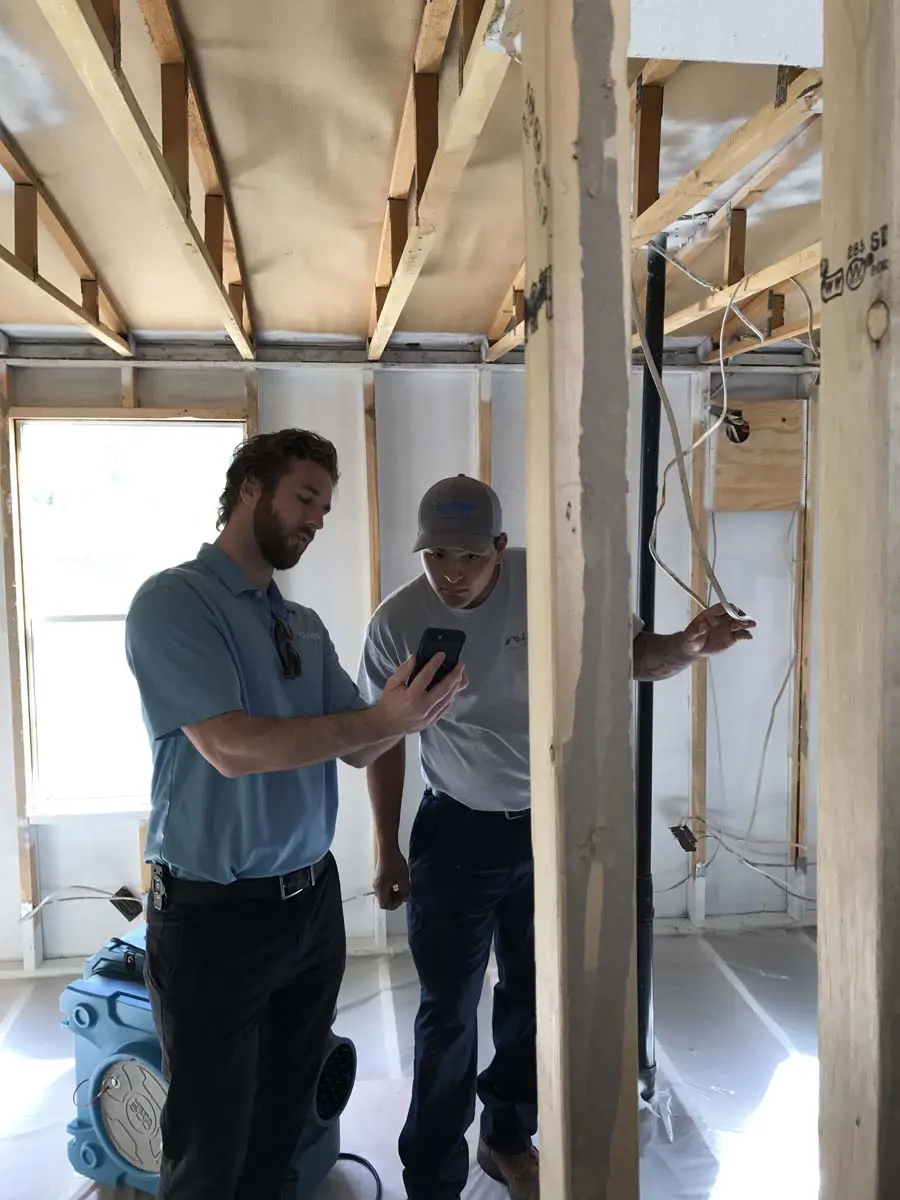
First, our technicians will inspect your home, particularly the areas in which you suspect mold growth. The team will look for exterior cracks and gaps where mold may be and use moisture meters to detect all hidden moisture.
Step 2: Mold Containment
To prevent further spread, our team will isolate the mold by closing off the contaminated area. At this point, we will get a surface sample to send to a third-party industrial hygienist for laboratory testing.
Step 3: Mold Removal
Using specialized techniques, we’ll carefully remove the mold from the home and any permanently damaged items that need to be discarded.
Step 4: Air Filtration
Removing mold growth is not the final step of remediation; mold spores may still be in the air, ready to land and germinate all over again. Our team sets up HEPA filtration systems and vacuums to remove mold particles and restore optimal air quality.
Step 5: Property Cleaning and Restoration
Once an air filtration system is installed, we’ll perform a deep cleaning of the affected areas to ensure all mold spores are removed. If part of a wall or floor was removed during the process, our technicians will begin reconstruction to restore all damaged property.
Choose Flood Response to Tackle Mold After Water Damage
Water damage and mold are often considered separate events, but they are parts of the same property emergency. Since 2002, Flood Response has helped Southern California homeowners with water and mold damage, accelerating recovery and restoring their properties.
A full-service, IICRC-certified company with offices in Thousand Palms and Temecula, Flood Response serves the Coachella Valley, Temecula Valley, and Inland Empire - from Palm Springs, Palm Desert, and Indio to Riverside, Corona, Murrieta, and Hemet - with rapid response, a full range of specialized services, and a free property-damage estimate.
After a disaster, trust a team with the experience, knowledge, and local expertise to get your home back to normal. Schedule your free damage assessment today by contacting Flood Response online or calling 760-343-3933.
FAQ Section
My home dried out on its own. Am I safe from mold?
Visible drying does not confirm that moisture has left wall cavities, subfloor, or insulation. Mold can be actively growing inside structural materials while surfaces appear and feel dry. The only way to confirm that there is no mold is by moisture mapping and air or surface sampling.
 Contact