
Key Takeaways:
- Immediately following a house fire, make sure you and your family are safe, call for emergency medical care if needed, and avoid reentering the home until authorities confirm it’s safe.
- Do not attempt fire damage cleanup yourself or throw away any damaged items before documenting them for your insurance company.
- Flood Response manages the fire damage restoration process from beginning to end, determining which materials are salvageable and restoring your property to its original condition.
A house fire is one of the most devastating events homeowners can face. With wildfire risk in the mountains and foothills surrounding the Coachella Valley, homeowners throughout the region face the possibility of fire damage. Beyond the stress of the situation and fear for your family’s safety, you’re now faced with major decisions about the property damage itself.
Knowing what to do (and not do) in the hours and days after a fire can make a huge difference in the recovery process. At Flood Response, our expert team has spent more than 20 years helping homeowners throughout Southern California recover from property damage. This guide walks through the essential dos and don’ts of fire damage restoration.
What to Do in the Immediate Aftermath of a House Fire
Before discussing the list of actions to take and avoid, let’s walk through the minutes immediately following the house fire. After you evacuate to a safe location, there are four crucial things to do, as outlined by the American Red Cross:
- Call 911.
- Call an ambulance for anyone who is seriously injured or burned. Likewise, call an animal hospital if a pet is injured. You may provide minor first aid where needed while you wait for personnel to arrive.
- Let friends and family know you’re safe.
- Stay out of the fire-damaged home until local fire authorities tell you it’s safe to re-enter.
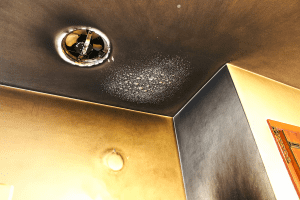
After these steps, the next course of action is to call a local restoration company that can evaluate the damage and begin the restoration process.
The Dos and Don’ts House Fire Checklist.
While you’ll have guidance from certified fire professionals, it’s important to understand which actions are safe to take after the fire is out, and which should be avoided altogether. Here’s what to remember during the fire damage restoration process:
Do:
- Wait for the fire department to confirm the property is safe before re-entering.
- Call a professional fire restoration company as soon as possible.
- Document everything with photos and video before moving or cleaning anything.
- Contact your insurance company to start the claims process.
- Keep receipts for any temporary housing, food, or emergency expenses.
- Make a detailed inventory of damaged or destroyed belongings.
- Notify gas, electric, and other utility companies about the fire.
Don’t:
- Don’t enter the home until officials confirm it’s structurally safe.
- Don’t turn on electrical appliances, electronics, or fixtures exposed to fire, heat, or water.
- Don’t run your HVAC system before it’s inspected; doing so can spread soot throughout the house.
- Don’t attempt major smoke or soot cleanup yourself with household cleaners; this can set stains or cause health issues.
- Don’t throw away damaged items before your insurance adjuster or restoration team documents them.
- Don’t eat any food that was exposed to heat or smoke; this includes canned or packaged food.
How to Document Fire Damage for Your Insurance Claim
Once fire authorities give you the okay to reenter your home, you can take stock of the initial damage for your insurance claim. Flood Response can assist with documentation and even communicate directly with your home insurance company on your behalf, giving you one less thing to worry about.
As your Flood Response restoration team documents the fire damage, they’ll follow these best practices:
- Go through each room in your home and assess the overall condition.
- Take wide-shot photos of the room as a whole, along with close-up photos of any damaged structures, materials, and personal belongings.
- Take video walkthroughs for additional context that photos can’t provide.
- Document damaged materials or belongings before they are moved or discarded.
Standard homeowners insurance policies in California cover house fire and wildfire damage. According to United Policyholders, smoke damage is a covered peril in most policies, although disputes can arise over cleaning or replacing smoke-exposed items. Regardless of your specific insurance policy terms, document as much as you can and submit your claim soon after the disaster.
How Professionals Assess Fire Damage
Restoring a home after a fire requires understanding the full extent and type of damage involved. For one, fire damage can spread much further than it seems at first glance. Even a small fire can cause catastrophic damage to walls, electrical wiring, cabinetry, and flooring.
There are three major types of fire damage that the Flood Response team will address:
- Thermal injury to and/or destruction of belongings and infrastructure
- Lingering smoke and odor
- Water damage from extinguishing the fire
As our team assesses furniture, items, and personal belongings, we’ll try to salvage as much as possible. A piece of furniture with mild smoke exposure, for example, may only need deep cleaning and deodorizing. On the other hand, personal items with structural charring or heavy water damage typically can’t be saved. We’ll walk you through our recommendations item by item, so you understand why something is being restored versus discarded.
Addressing Smoke Damage
Smoke damage can spread almost as quickly as the fire itself. As soon as our team arrives, we will evaluate the smoke damage and immediately begin any necessary mitigation procedures. We typically target five types of smoke and residue damage to ensure containment while replacing or restoring any damaged surfaces:
- Wet Smoke Residue: Low-heat, smoldering fires leave behind cobweb-like soot strands and a sticky residue. This residue requires specialized care to fully remove.
- Dry Smoke Residue: When fast fires burn at high temperatures, they leave behind powdery ash. While it doesn’t smear like wet smoke residue, it has a pungent odor.
- Protein Residue: Kitchen fires frequently leave behind protein residue from food and oils. They can ruin paint and varnishes when not removed quickly. Left unchecked, this type of residue can grow rancid and spread pathogens.
- Fuel Oil Soot: When furnaces malfunction, they can distribute fuel oil soot in the surrounding area. This dangerous soot can spread stains and even act as fuel for another fire.
- Other Residues: Fire extinguisher chemicals, materials used by firefighters, and fingerprint powder from investigators can all leave behind residue.
At Flood Response, we have thorough treatment plans to address every form of smoke residue and odor resulting from a house fire and its aftermath. Because our team looks for each type of residue, your home can avoid the long-term structural risks and odors of smoke residue.
The Flood Response Fire Damage Restoration Process
The immediate time after a fire is crucial to safely salvage as much as possible. At Flood Response, our IICRC-certified technicians complete a thorough fire damage restoration:
- Assessment: The team will evaluate your home and locate both obvious and hidden fire damage. We’ll also be on the lookout for any of the five key types of smoke damage and residue. Early documentation is essential for our team to work directly with your insurance company.
- Secure Your Property: The next step is removing, cleaning, and storing your unimpacted belongings. If needed, we’ll board up openings on the property to protect the interior from further damage.
- Water Removal and Drying: Firefighting requires a lot of water, some of which will inevitably remain in your home. We will remove the water and dry out the affected areas with dehumidifiers and specialized equipment to prevent mold damage.
- Demolition and Debris Removal: Any permanently damaged materials will be demolished and removed.
- Smoke Removal and Cleanup: Our team will remove all traces of soot and damage from walls, ceilings, and other interior spaces to prepare them for restoration. Throughout the project, we will continue to monitor for traces of remaining smoke and soot to avoid further long-term damage and issues.
- Reconstruction and Restoration: Our team will manage the whole process of reconstruction, remodeling, and inspections. Whether your home needs full reconstruction or targeted restoration depends on how much structural material was compromised by fire, heat, or water. Minor damage can often be repaired, while extensively burned framing, drywall, or flooring may need to be fully rebuilt.
- Final Cleanup: Our job isn’t complete until your home is completely safe, clean, and restored.
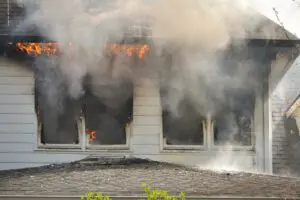
Recover From Fire Damage With Flood Response
While a house fire is a terrifying experience, you’re never alone in recovering. Flood Response provides a full range of property restoration services, including fire damage, mold remediation, water damage, remodeling services, and more. Knowledgeable and professionally trained, our IICRC-certified team has earned certification from the Institute of Inspection Cleaning and Restoration Certification, the restoration industry’s leading standard-setting organization.
We’ll arrive onsite swiftly to begin disaster mitigation and property restoration in the face of fire and smoke damage. For reliable, full-service disaster recovery services in the Coachella Valley or the surrounding area, contact Flood Response today!
FAQs
How much does fire damage restoration cost in Southern California?
While costs vary widely, most homeowners see charges anywhere between $3,083 for minor events and $52,031 for more extensive damage, according to data from Angi. Catastrophic fires can increase costs beyond this range. Check our Flood Response’s fire damage cost guide for more information.
Can I stay in my home during fire damage restoration?
It depends on the severity of the damage. If the fire was contained to one room with minimal smoke spread, you may be able to remain in unaffected areas of the home. However, if there’s significant structural damage, standing water, or heavy smoke odor throughout the property, restoration professionals will typically recommend temporary housing until the air quality and structural safety are restored.
Will a house fire affect my home’s resale value?
Even after full restoration, some buyers and appraisers may factor in prior fire damage, particularly if it’s disclosed during a future sale, which is typically required by law. Professional restoration with detailed documentation helps demonstrate that the home was fully repaired to code, which can minimize the impact on the home value.
How long does fire damage restoration take?
Fire damage restoration timelines vary based on severity. A minor, contained fire, such as a small kitchen fire with limited smoke spread, may only take a few weeks to fully restore. Larger fires that damage multiple rooms or affect the home’s structure can take several months, especially if framing, drywall, or flooring needs to be rebuilt. Your restoration team can provide an estimate after an initial assessment of your property’s damage.
 Contact