
Key Points
- Experts have predicted El Niño to develop and strengthen through the 2026-2027 winter, with Southern California properties facing increased risks of extreme rainfall, flash floods, and wildfires.
- Homeowners in the Coachella Valley, Temecula Valley, and the greater Inland Empire should prepare their properties by addressing vulnerabilities to flooding and water damage.
- Flood Response provides 24/7 emergency restoration services, as well as preparation guidance for homeowners getting ready for El Niño’s effects.
El Niño, the climate event that affects global weather patterns every few years, is expected to occur this year. While not every El Niño affects regions in the same way, residents of the Coachella Valley, Temecula Valley and surrounding areas should stay alert, as this year’s event could lead to destructive storms that impact Southern California properties.
What Is El Niño?
El Niño is a climate pattern during which trade winds weaken, and the ocean surface warms in the central and eastern tropical Pacific Ocean. This above-average warming can shift global weather patterns and push storms toward the California coast.
El Niño’s opposing climate pattern, La Niña, occurs when sea surface temperatures cool more than average. Together, they’re referred to by scientists as El Niño-Southern Oscillation, or ENSO. Both events cause the greatest changes in the Northern Hemisphere during winter, according to the UCLA Atmospheric & Oceanic Sciences department. Fluctuations in ocean temperatures between El Niño, La Niña, and neutral conditions tend to occur over three to five years, and impacts vary worldwide.
El Niño 2026
In 2026, the National Weather Service Climate Prediction Center issued an El Niño advisory, with El Niño expected to develop by summer and strengthen into the 2026–27 winter. Experts predict this El Niño will be “historically strong,” with many people colloquially referring to the oncoming event as a “Super” El Niño, according to CNN. While El Niño does not guarantee substantial weather changes, it does increase the likelihood of jet stream shifts and destructive events.
Because this El Niño is developing on top of an already overheated global climate, it could push 2026-2027 to become Earth’s warmest years on record, amplifying rainfall and temperature extremes beyond what past events have looked like.
What El Niño 2026 Could Mean for the Coachella Valley, Temecula Valley, and greater Inland Empire
The effects of El Niño events vary depending on their strength. As this year’s El Niño develops, here are some impacts Southern California residents can expect.
Extreme Rainfall
El Niño shifts rainfall patterns around the world, increasing the likelihood of heavier-than-usual rainfall in the southern United States, parts of Central Asia, and parts of southern South America, according to the World Meteorological Organization. Areas with desert soil, like La Quinta, Palm Springs, and Cathedral City, are particularly at risk because they do not absorb heavy rain well. Even moderate storms can overwhelm drainage systems and lead to property damage.
El Niños are also associated with atmospheric rivers, which are long, narrow corridors of concentrated moisture that transport water vapor from tropical regions toward the coast. Atmospheric rivers can dump heavy rainfall in a short span of time, potentially causing water damage to vulnerable homes and structures.
Flash Floods and Debris Flows
The increased rainfall could lead to devastating flooding, as Southern California saw during the 1997–1998 El Niño. Much of the Coachella Valley is already a known high-risk flood zone that may experience sudden, dangerous debris flows. El Niño-fueled downpours can trigger these events with little warning, leaving homeowners little time to react.
A Dangerous Hurricane Season
Warmer ocean temperatures in the Eastern Pacific can lead to more frequent and stronger tropical storms and hurricanes. The National Ocean Service states that hurricanes require a pre-existing weather disturbance, warm water, thunderstorm activity, and low wind shear to form. A strong El Niño event sets up these conditions; a recent example is Hurricane Hilary, which followed the 2023 El Niño and made landfall in Southern California after originating in Mexico.
Increased Wildfire Risk
While heavy winter rains are the more immediate concern, Southern California residents will also need to prepare for increased fire danger next summer. Grass and ground cover thrive during wet winters, then become dry kindling once the summer heat arrives. Considering El Niño events contribute to overall warming, experts can confidently predict a higher wildfire risk.
How to Prepare Your Property Before the Rains Hit
The best course of action to prepare for El Niño is to fortify your home from the inside out. The following tips help you avoid water damage and protect yourself, your property, and your belongings from oncoming weather.
Outside Your Home
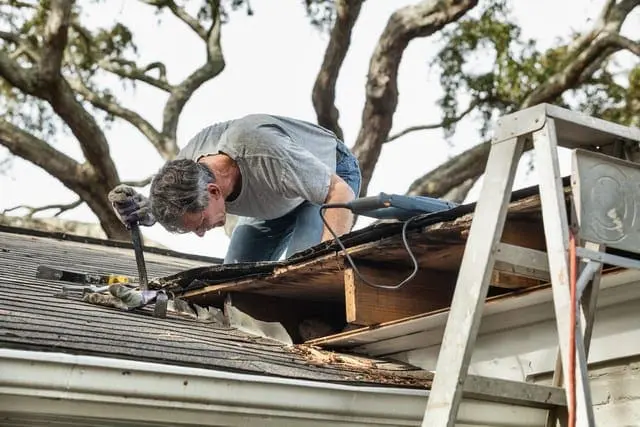
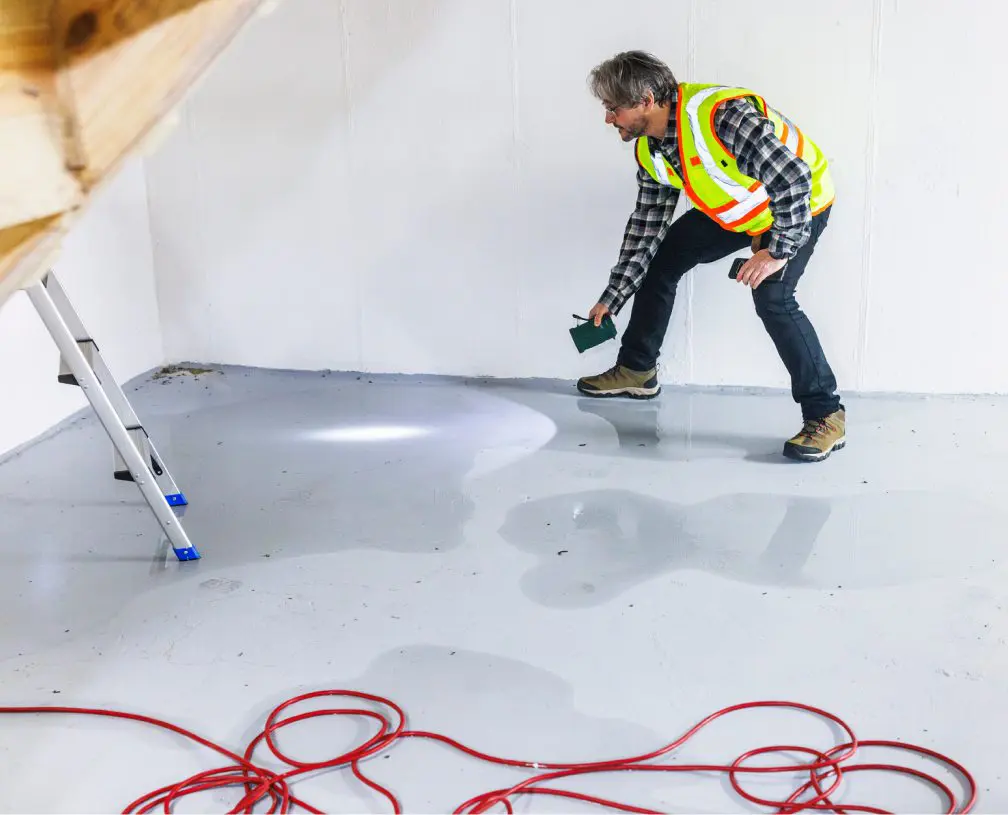
Inside Your Home
It’s also wise to take photos and videos of your property before any damage occurs. This gives you before-and-after evidence for your insurance claim.
An important insurance note: Standard homeowners insurance does not cover flood damage, though water damage related to rainfall may be covered. Ask your insurance company about your coverage details. If you live in a high-risk flood zone, you can consider the National Flood Insurance Program or a supplemental policy.
When to Call Flood Response
You don’t need to wait for the impacts of El Niño to hit before calling Flood Response. For more than 20 years, our restoration specialists have served the Palm Springs and Coachella area as local experts in water and fire damage, mold remediation, and property restoration. Ahead of this year’s El Niño, we can assess your property’s risk of damage and provide expert, individualized recommendations for storm preparation.
Along with helping you plan, we provide 24/7 emergency response, addressing all scenarios of property damage related to El Niño, including:
- Water intrusion from rainwater on the roof, the sides of the home, or any openings
- Flood damage
- Debris cleanup as part of the water damage restoration process
- Moisture detection and mold prevention
- Fire damage, resulting from in-house ignition or wildfires
If your property gets flooded, do not wait to call a restoration professional. Mold develops within 24–48 hours, and structural damage compounds quickly. Our specialists will extract standing water, use industry-grade drying equipment, and store all salvageable belongings.
For Emergency Service in Southern California, Flood Response Is Here
The Flood Response team understands the major stresses involved in preparing for a potential “Super” El Niño, especially across the Coachella Valley, Temecula Valley, and Inland Empire - including Palm Springs, La Quinta, Cathedral City, Temecula, Murrieta, Riverside, and Corona. Having our experts assess your property for vulnerabilities gives you insight into your risk levels and provides peace of mind. And whether it’s emergency flood damage this fall and winter or fire damage next summer, we will arrive swiftly to assess the scene and begin the recovery process.
For 24/7 property restoration services before, during, and after El Niño, call Flood Response at 760-343-3933 or schedule online today.
FAQs
Are certain Southern California areas more vulnerable to El Niño than others?
Yes, low-lying desert communities and neighborhoods near dry riverbeds tend to experience worse impacts. Properties near mountain bases are exposed to debris flows, in which fast-moving water carries rocks, mud, and vegetation downhill. That said, every El Niño brings unique weather conditions, and early preparation is key whether you are in or near a vulnerable area.
 Contact