
Key Points:
- Property damage restoration is defined as the process of restoring a home or business to its original condition after damage from a water emergency, fire, mold, biohazard event, or storm
- While restoration processes can vary depending on the specific job and type of damage, each typically involves assessment, mitigation, cleanup, and restoration stages.
- IICRC certification, local presence, reputation, and fast response times are the top qualities to look for when choosing a restoration company.
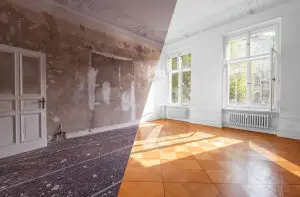
Property damage restoration is the process of returning a home or business to its original condition after water, fire, mold, sewage, or storm damage. As a full-service property restoration company serving communities in Southern California, Flood Response works to stabilize damaged areas, remove moisture or contaminants, sanitize affected areas, and rebuild damaged structures as needed. We also coordinate with your insurance company to document loss and manage the claim.
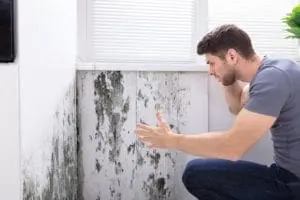
This guide walks through the restoration process, the top qualities to look for in a restoration company, and what to expect from your insurance provider along the way.
What Property Damage Restoration Covers
Property restoration is a general term for several types of damage, each with its own techniques and equipment requirements:
- Water damage, which can include burst pipes, appliance leaks, flooding, and water intrusion from storms
- Fire and smoke damage, covering structural damage, soot removal, and odor elimination after a fire
- Mold remediation, which includes identifying moisture sources and safely removing mold growth and airborne spores
- Biohazard cleanup, which involves contaminated waste, sewage, or scenes that require specialized sanitation.
- Storm damage, including wind, hail, and flood damage from major weather events
Understanding the Restoration Process
Knowing the phases of restoration work helps you know what to expect. While specific restoration processes vary in stages, each typically follows these general steps:
- Assessment: Technicians will arrive to inspect your property, determine the extent of damage, and identify any safety hazards. At this stage, they will also document the damage for your insurance claim.
- Mitigation: The team will then stop active damage, which may include extracting standing water, removing mold colonies, using drying equipment, running air scrubbers, or other key processes to minimize additional damage.
- Cleanup: Industrial equipment will be used to clean and sanitize the space. At this stage, the technicians may monitor moisture levels and remove debris or contaminated materials that can’t be salvaged.
- Restoration: The final stage focuses on restoring salvageable belongings and materials and reconstructing any materials that were removed, such as drywall, flooring, or cabinetry.
How to Choose a Restoration Company
Sudden property damage can leave homeowners unsure where to turn for restoration work. When searching for a restoration provider in Southern California, prioritize these key qualities:
- IICRC-Certification: This is an industry-standard credential for restoration technicians from the Institute of Inspection Cleaning and Restoration Certification. Certified companies have been trained on the proper techniques for water extraction, mold containment, and structural drying.
- Fast Response Time: Since damage can compound quickly, it’s important to choose a fast-acting team that can arrive at your property promptly.
- Insurance Experience: Companies that work with your insurance company on your behalf help streamline the documentation and claims processes.
- Local Presence: A Southern California-based company understands regional risks, from wildfire smoke damage to seasonal storm flooding. These local experts typically respond faster than a national company that dispatches a subcontractor.
Working With Your Insurance Company
Most California homeowners’ insurance policies cover sudden, accidental damage—such as a burst pipe, a kitchen fire, or storm damage—but not damage caused by long-term neglect or deferred maintenance. The specifics vary by policy, so it’s worth reviewing your coverage details.
During restoration, documentation is crucial. Photos, videos, and moisture readings all support your claim, and your restoration team should handle much of this for you, communicating directly with your adjuster.
Choose Flood Response for Expert Property Damage Restoration in Southern California
Whether you have an appliance leak or your home is at risk of wildfire smoke damage, Flood Response offers immediate expert services to contain damage before it overtakes your home. Home disasters of any kind are overwhelming, which is why we approach every job with compassion and professionalism, working efficiently to restore your property to its original condition.
When a fire, flood, or sewage emergency hits your home, trust Flood Response to restore your home to a safe, livable condition. For professional property damage restoration in Southern California, call our team today or contact us online today.
FAQs
How long does property damage restoration take?
Most jobs take anywhere from a few days to several weeks, depending on the extent of damage and whether rebuild work is needed. Your restoration company should give you a specific timeline after the initial inspection.
Will California homeowners insurance cover property damage restoration?
Most homeowners insurance policies cover sudden, accidental damage but not damage from long-term neglect or lack of maintenance. Coverage details vary by policy, so it’s best to confirm with your insurer early in the process. A restoration team experienced in insurance claims can help document damage in a way that supports your claim.
Do I need to leave my home during restoration?
Whether you choose to leave your home during restoration work will depend on the severity and type of damage. Minor water damage may not require you to leave, but fire damage, sewage contamination, or extensive mold growth often does, for safety and air-quality reasons. Your restoration team will assess the situation and let you know if temporary relocation is recommended.
Who should I call first after property damage: my insurance company or a restoration company?
Call a restoration company first to prevent further property damage, then notify your insurance company. Many restoration companies, including Flood Response, will help document damage and coordinate directly with your insurer on your behalf. Acting quickly on mitigation can prevent secondary damage such as mold, which insurance may not cover if it’s linked to delayed action.
 Contact