
Mold toxicity, or mycotoxicosis, results from exposure to fungi and mold and can cause severe health issues, including respiratory problems and neurological symptoms. The most common form of mold exposure is inhaling mold spores in a moist, poorly ventilated environment. This can occur more often than you might expect; mold can develop in bathrooms, basements, and other damp, commonly used rooms within just two days.
Identifying and addressing mold in your home is critical to the health and well-being of everyone who lives there—pets included! Below, we’ll discuss the mold toxicity symptoms that can be seen in people and pets, what to do if you suspect you’ve been exposed, and how Flood Response eliminates mold problems in Southern California properties.
Mold & Your Health: Warning Signs
Mold toxicity symptoms are sometimes mistaken for a mold allergy, which can cause coughing, eye irritation, rashes, and similar symptoms. While both conditions are serious, a mold allergy is an immune response that protects the body, whereas mold toxicity is a reaction to toxins already present in the body.
There are many different signs of mold toxicity. Having one or even a few on the following list does not confirm that you have mold in your body. Consult your doctor for an evaluation and professional diagnosis.
-
Respiratory issues
Often more severe than typical allergy symptoms, chronic coughing, wheezing, and shortness of breath can all indicate mold toxicity.
-
Immune system changes
Inflammatory conditions and disorders, such as hypersensitivity pneumonitis, can develop after mold exposure.
-
Mental health impacts
Several studies have linked home dampness and mold to poorer mental and emotional health. Specific impacts include mood changes, anxiety, and depression.
-
Neurological effects
From brain fog and difficulty concentrating to memory problems, extended mold exposure can lead to a range of neurological effects.
-
Other symptoms
Fatigue, digestive issues, and other symptoms may also occur.
The Impact on Children’s Health
According to the EPA, because children’s lungs have not yet reached full maturity, they are more vulnerable to inhaled contaminants. Inhalation of mold spores commonly causes allergy symptoms and asthma attacks in children. In more severe cases, pneumonia and neurological problems, such as difficulty focusing, can occur.
If you suspect or have identified mold in your home, contact your child’s pediatrician, along with a mold remediation specialist who can address the problem.
Mold Toxicity in Pets
Like humans, your pets can also face health consequences when exposed to mold. While this can occur through inhalation, other types of exposure include eating contaminated foods, either pet food that has gone bad or garbage (perhaps from a knocked-over garbage can or ripped bag) that has developed mold.
Symptoms of mold toxicity can vary between pets. There is some overlap in symptoms between cats and dogs. Be on the lookout for any of the following symptoms in your pet:
- Respiratory issues, including coughing, sneezing, labored breathing, or wheezing.
- Excessive scratching, licking, or grooming
- Loss of appetite or change in eating habits
If you notice these signs or any sudden behavioral or physical health changes, schedule a vet visit immediately to get your cat or dog evaluated.
What to Do If You Suspect Mold & Mold Toxicity
While the signs of mold toxicity are alarming, early treatment by a medical professional can accelerate recovery. As soon as you suspect mold exposure in a family member, child, pet, or yourself, schedule an appointment with a medical professional and get diagnosed.
It’s sometimes difficult to identify mold in the home and know for certain that it is the cause of your symptoms. Consider mold’s growth requirements: oxygen, moisture, organic material for food, and an ideal temperature typically between 60 and 80 degrees F.
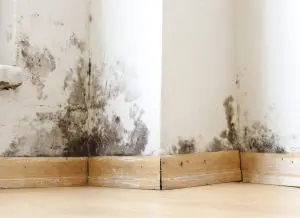
Common places in the home where mold develops include around leaks, in damp basements, in HVAC systems, underneath carpeting, and behind walls. You may smell it before you see it; some molds have a strong, musty odor.
While you may be tempted to eliminate mold yourself as soon as you find its source, it’s better to call a mold remediation company to get the job done. DIY mold removal can increase your risk of exposure if you do not have the proper PPE and techniques on hand. Only by the end of a mold specialist’s remediation process can you know for certain that your home is completely mold-free.
Trust Flood Response for Effective Mold Remediation
Serving Southern California since 2002, Flood Response is standing and ready to start the mitigation process and make your property safe again. We know how destructive mold can be to your health and home materials, which is why we use industry-standard treatments to target both mold growth on home surfaces and airborne spores.
Your safety and that of your family is our first priority. Our mold remediation team goes through a thorough process to eliminate mold on your property:
- Inspect the Property: We assess the mold problem, identify sources of water damage, and stop any leaks before beginning remediation.
- Secure the Affected Area: Unchecked, mold can continue to spread. Our specialists close off the contaminated area to prevent further growth.
- Remove Visible Mold: Using specialized techniques and equipment, we remove the major mold growth.
- Set Up Air Filtration: HEPA filtration systems, vacuums, air movers, and other professional-grade tools help remove airborne particles, reducing the risk of inhalation.
- Deep Clean Area: Our team will disinfect, sanitize, and clean the site, paying special attention to vulnerable areas such as air ducts.
- Restore Damaged Property: If the mold left behind permanent damage, we will replace or restore your affected materials.
For a free estimate, call Flood Response at 760-343-3933 or contact us online today!
 Contact